HVAC · Kenyon, MN
Each maintenance call follows a written checklist that covers safety, cleaning, and performance measurements. Findings are recorded on site and left with the property owner rather than summarized later by phone.
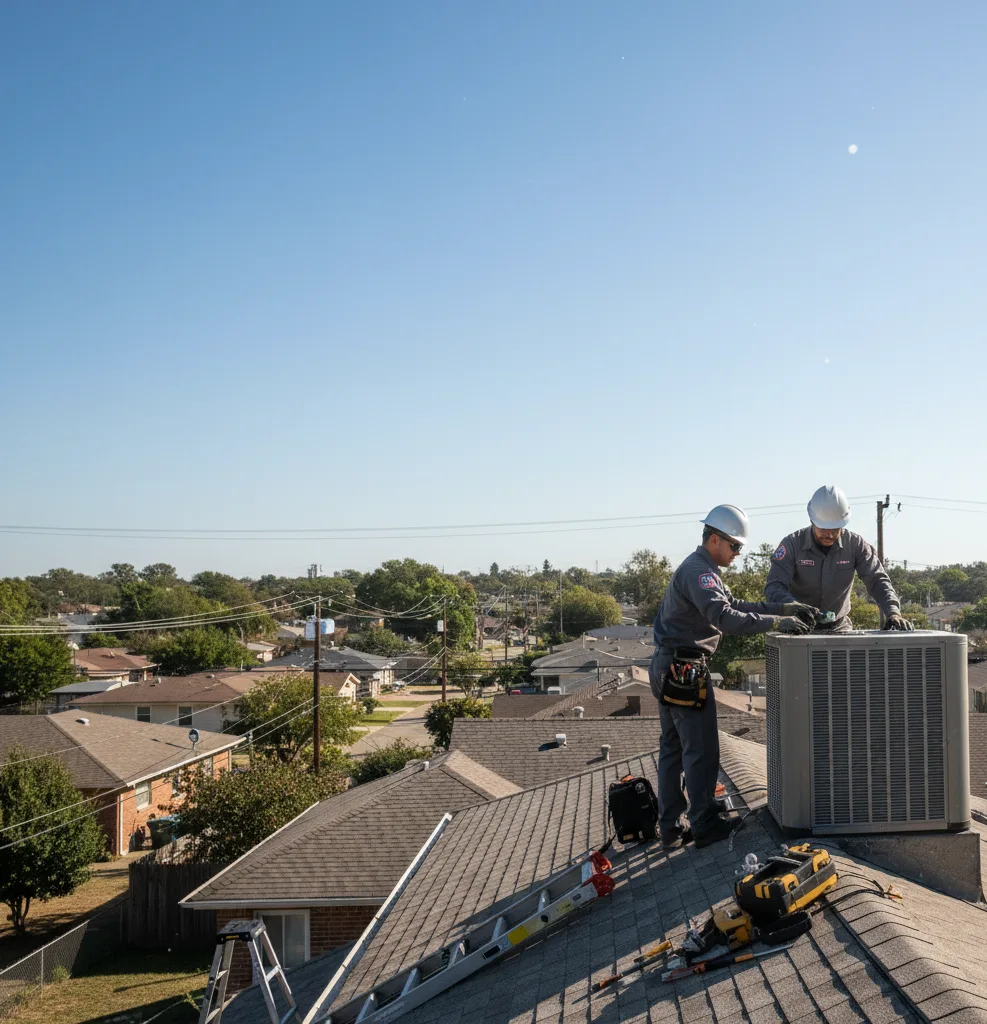
During a maintenance visit the technician begins at the air handler or furnace and works outward. Belts are checked for tension and cracking, while electrical connections are tightened to prevent voltage drop. The condensate drain is cleared so moisture does not back up into the cabinet. Refrigerant lines are examined for insulation damage that could affect efficiency. These steps are performed whether the equipment is in an attic, closet, or garage, and the same sequence applies to both heat-pump and conventional split systems.
Homeowners often notice uneven temperatures between rooms or longer run times on mild days. A gradual rise in utility cost can also indicate restricted airflow or a dirty evaporator coil. Listening for short cycling or unusual vibration helps identify issues that are still small. Recording these observations before the technician arrives allows the visit to focus on the areas that matter most to the household.
The ground beneath any home affects how the overall structure holds up through the years. Kenyon sits on clay loam. Water drawn from local sources carries its own mineral profile that can interact with certain system parts. Homes here receive very hard water from the taps. Equipment must be chosen and serviced with those baseline conditions in mind.
Weather sets the annual load on heating and cooling units in every location. Kenyon sees warm summers and hard winters, around 46 inches of snow a year, and 173 nights below freezing. Service routes follow the main corridors that connect neighborhoods to the wider area. Conditions that appear regularly include very hard water and a long freeze season. Regular checks keep systems matched to the actual demands created by these surroundings.
FAQ

Confirm that the thermostat is set to the correct mode and that the filter is not clogged. A tripped breaker or a full condensate pan can also stop the system from running. These items are easy to verify and may resolve the issue without a service call.
Compare the cost of the repair with the age of the equipment and its current efficiency rating. A technician can provide the model year and note any other components that are nearing the end of their service life. This information helps weigh the short-term fix against the cost of a new installation.
Replacing a disposable filter on a monthly schedule is the most common task homeowners handle. Keeping the outdoor unit clear of leaves and debris also helps airflow. Any work involving refrigerant or electrical components should be left to a licensed technician.